



Clay Insulation Bricks


Clay insulating brick refers to a lightweight refractory product containing 30%-46% Al₂O₃. Its main raw materials are clay clinker or lightweight clinker and plastic clay.
Production Process: Usually, the combustible method is adopted for production. It can also use the chemical method or foam method to form a porous structure. The crushed binding clay and ground clinker are mixed and ground, then formulated into a semi-dry mud material with granular clinker, formed under high pressure, and fired at about 1400°C.
Specifications and Sizes: The standard size is 240*115*53mm, and the commonly used size is 240*115*90mm. At the same time, it can also be customized according to customer needs to meet the needs of different projects.

Features:
Low thermal conductivity: Clay insulation bricks have high porosity, generally 40%-85%, low bulk density (less than 1.5g/cm³), low thermal conductivity (generally less than 1.0W/(m·K)), and have good thermal insulation effect.
High refractoriness: Due to its high aluminum content, clay insulation bricks can still maintain good performance in a reducing atmosphere.
High hot compressive strength: It can still maintain high compressive strength at high temperatures.
Precise appearance and dimensions: This speeds up the masonry work, reduces the amount of refractory mud used, ensures the strength and stability of the masonry, and thus extends the life of the lining.
Can be processed into special shapes: Adapt to different usage requirements.


|
INDEX
|
RBT-0.6
|
RBT-0.8
|
RBT-1.0
|
RBT-1.2
|
|
Bulk Density(g/cm3) ≥
|
0.6
|
0.8
|
1.0
|
1.2
|
|
Cold Crushing Strength(MPa) ≥
|
2
|
3
|
3.5
|
5
|
|
Permanent Linear Change℃×12h ≤2%
|
900
|
900
|
900
|
1000
|
|
Thermal Conductivity350±25℃ (W/m.k)
|
0.25
|
0.35
|
0.40
|
0.50
|
|
Al2O3(%) ≥
|
35
|
35
|
35
|
35
|
|
Fe2O3(%) ≤
|
2.0
|
2.0
|
2.0
|
2.0
|

Application Scenarios:
Industrial Furnaces: It is mainly used as the thermal insulation layer material of various industrial furnaces that do not contact the melt and are not affected by corrosive gases, such as thermal power boilers, glass furnaces, cement furnaces, fertilizer gas producers, blast furnaces, hot blast stoves, coke ovens, electric furnaces, etc.
Other Thermal Equipment: It can also be used as thermal surface refractory materials or supporting thermal insulation layers for other refractory materials, and is applied to melting furnaces, ignition kilns, flues, refining devices, heating devices, regenerative devices, gas furnaces, pipelines, soaking furnaces, annealing furnaces, reaction chambers, and other industrial thermal equipment.
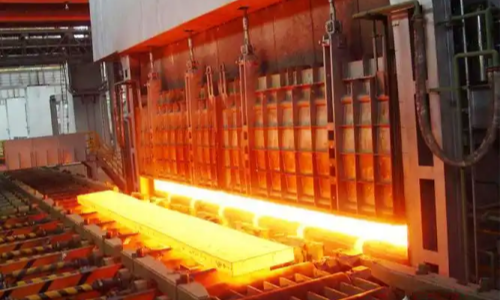
Heating Furnaces
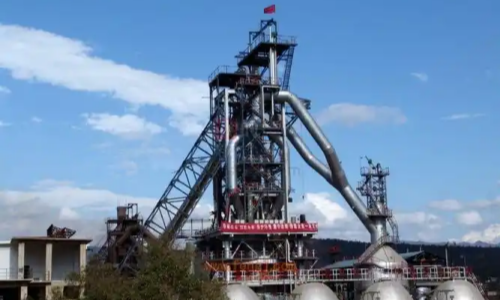
Blast Furnaces
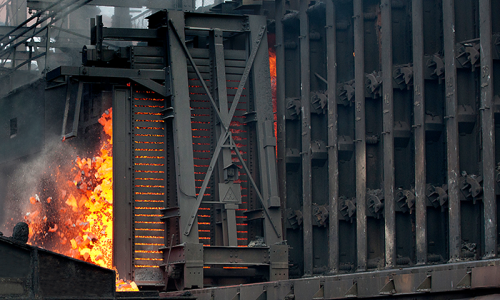
Coke Ovens
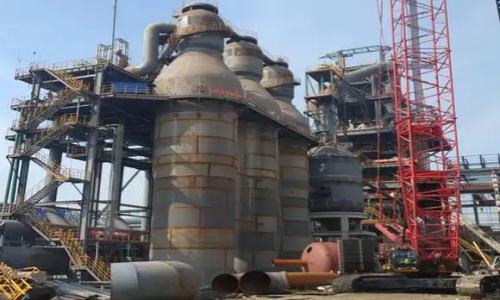
Hot Blast Furnaces


Frequently Asked Questions
Need help? Be sure to visit our support forums for answers to your questions!
We are a real manufacturer, our factory is specialized in producing refractory materials for more than 30 years. We promise to provide the best price, the best pre-sale and after-sale service.
For each production process, RBT has a complete QC system for chemical composition and physical properties. And we will test the goods, and the quality certificate will be shipped with the goods. If you have special requirements, we will try our best to accommodate them.
Depending on the quantity, our delivery time is different. But we promise to ship as soon as possible with guaranteed quality.
Of course, we provide free samples.
Yes, of course, you are welcome to visit RBT company and our products.
There is no limit, we can provide the best suggestion and solution according to your situation.
We have been making refractory materials for more than 30 years, we have strong technical support and rich experience, we can help customers design different kilns and provide one-stop service.


